
How Personalization Is Influencing Custom Home Design
Personalization has become a central idea in residential planning as people look for homes that reflect their routines, preferences, and long-term goals. Instead of relying on fixed templates, many projects now begin with conversations about how spaces should feel and function on a daily basis. A custom home builder plays an important role in shaping these discussions and translating ideas into practical layouts that match real living needs.
Modern design expectations continue to shift as lifestyles change. Work patterns, entertainment habits, and family structures all influence how a home is planned. A custom home builder helps interpret these evolving expectations into spaces that feel more aligned with how people live today. The focus is less about following tradition and more about creating environments that feel intentional and comfortable for the people who will use them.
Personalization also extends to materials, lighting, and flow between rooms. These elements are now selected with greater attention to how they affect comfort and usability. A custom home builder guides these decisions so that each part of the home supports the overall vision without unnecessary complexity.
Exploring Personalization Trends in Home Design
Personalization trends are shaping how new homes are imagined from the beginning stages. People want spaces that feel aligned with their routines, whether that involves open gathering areas, quiet zones, or flexible rooms that can serve multiple purposes. A custom home builder helps translate these preferences into structured plans that remain practical while still reflecting individual priorities.
One noticeable shift is the growing interest in adaptable layouts. Rooms are no longer assigned a single fixed role. Instead, spaces are designed to adjust as needs change over time. This approach allows homes to remain useful even as daily patterns evolve. A custom home builder often considers how spaces can support both current and future use without requiring major changes later.
Another trend is the emphasis on natural light and spatial flow. People are paying closer attention to how rooms connect and how movement feels throughout the home. This focus helps create a more comfortable and cohesive living experience.
According to Eye on Housing, custom homes make up nearly 19% of new single-family homes in the United States. This growing share reflects how personalization has moved from a niche preference to a common expectation. A custom home builder plays a key role in meeting this demand by helping align design decisions with lifestyle needs.
Shifting Material Choices and Layout Preferences
Material choices and layout decisions are becoming more personal as people look for homes that feel unique to them. Instead of selecting standard combinations, many prefer finishes that reflect specific moods, textures, and visual tones. A custom home builder helps organize these choices so that the overall design remains balanced and cohesive.
Layout preferences are also changing. Open spaces continue to be popular, but there is also interest in defined areas that provide separation when needed. This balance allows for both social interaction and private time within the same home. A custom home builder often considers how walls, openings, and transitions can support this flexibility without making spaces feel disconnected.
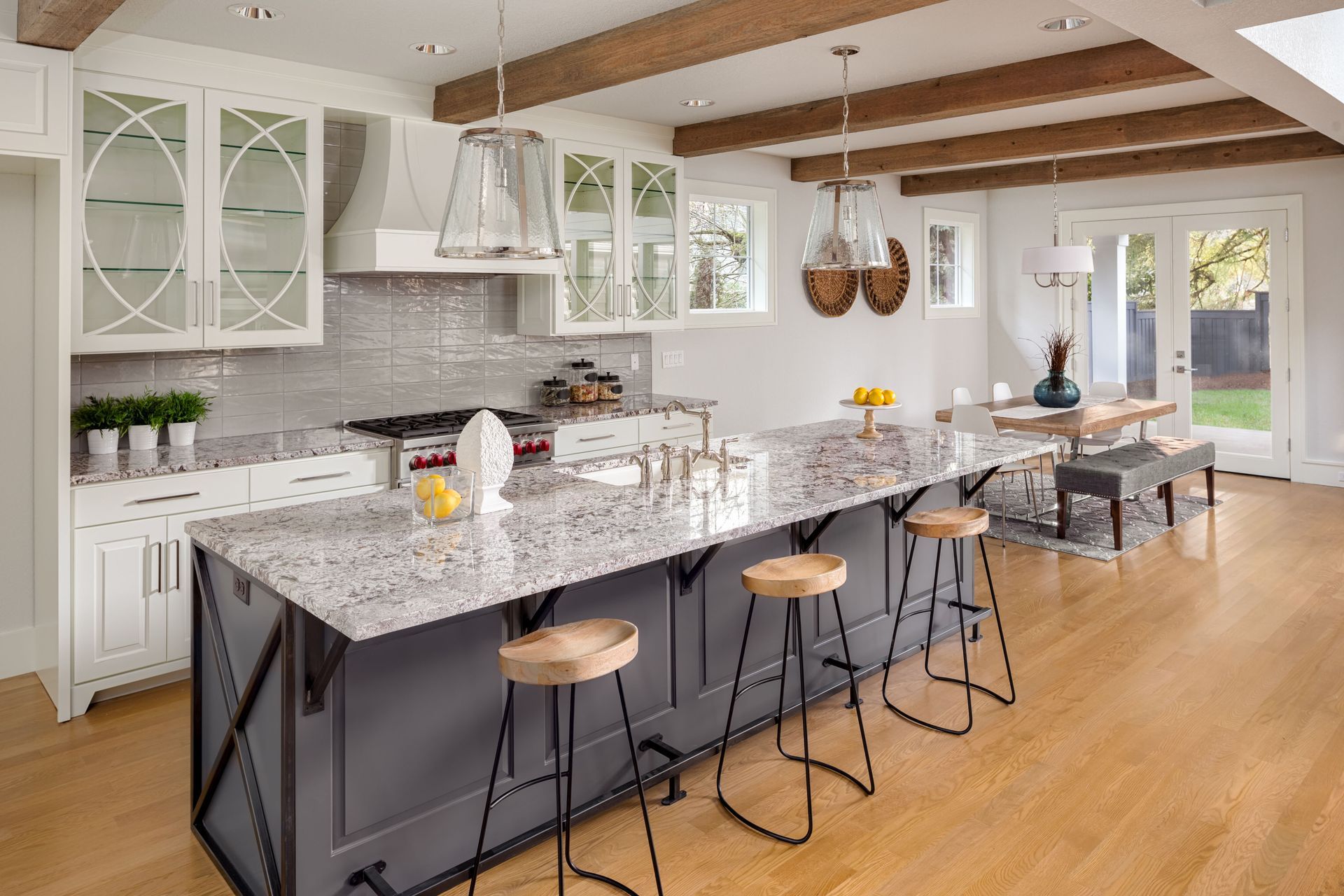
Function plays a major role in these decisions. Kitchens, living areas, and shared spaces are designed with daily routines in mind. Storage, movement, and accessibility are all considered during planning stages. A custom home builder works to ensure that each layout choice supports ease of use while maintaining a consistent design direction.
Material selection also reflects long-term thinking. People are increasingly drawn to finishes that maintain their appearance over time and fit naturally within the overall structure of the home. This approach reduces visual clutter and creates a more unified environment. A custom home builder helps align these selections with both aesthetic goals and practical considerations.
Integrating Technology and Comfort Features
Technology has become an important part of modern home planning, influencing both comfort and convenience. Systems that manage lighting, temperature, and security are often included in early design discussions. A custom home builder helps incorporate these features so that they blend naturally with the structure of the home.
Comfort is no longer defined only by physical space. It also includes how easily a home responds to daily routines. Adjustable lighting, climate control, and connected systems allow people to shape their environment in real time. A custom home builder coordinates these elements so that they function smoothly without overwhelming the overall design.
Another key aspect is energy awareness. Many design plans now consider how systems interact to support efficient use of resources. This includes thoughtful placement of windows, insulation planning, and system coordination. A custom home builder works through these details to support long-term comfort and consistency.
Entertainment spaces are also evolving. Rooms are being designed to support different types of media use while maintaining a clean and organized appearance. Wiring, placement, and structural planning all play a role in achieving this result. A custom home builder ensures these elements are considered early so that they integrate well into the final structure.
Balancing Function and Visual Style
A successful home design must balance practical use with visual appeal. People want spaces that feel comfortable to live in while also reflecting personal taste. A custom home builder helps manage this balance by aligning design choices with how each space will be used.
Function often begins with movement. The way people move through a home influences layout decisions, including room placement and connections between spaces. A custom home builder evaluates these patterns to reduce unnecessary complexity and create smoother transitions.
Visual style is shaped through consistent design choices. Color tones, materials, and lighting all contribute to the overall feel of a home. Rather than focusing on isolated elements, a custom home builder considers how these details work together across the entire structure.
Storage and organization also play a role in maintaining balance. When storage is integrated into the design, spaces feel more open and easier to use. A custom home builder incorporates these features in ways that support both function and appearance without creating visual disruption.
Comfort remains central to every decision. Whether it is a shared space or a private room, the goal is to create an environment that feels natural to spend time in. A custom home builder helps guide these decisions so that function and style work together rather than compete.
Planning Custom Homes with Professional Guidance
Planning a custom home involves many decisions that must work together as a complete system. From layout planning to material selection, each choice affects the overall result. A custom home builder helps organize these steps so the process remains structured and clear.
Early planning focuses on understanding how the home will be used on a daily basis. This includes identifying key spaces, preferred flow, and long-term needs. A custom home builder uses this information to shape a foundation for design that supports both present and future use.
Communication plays an important role throughout the process. Clear discussions about expectations, preferences, and practical limits help guide each stage of development. A custom home builder translates these conversations into actionable design decisions that align with the overall vision.
As planning progresses, details become more refined. Adjustments to layout, materials, and features are made to improve consistency and usability. A custom home builder ensures that each refinement supports the broader structure of the home.
Personalization continues to influence how homes are created, shaping everything from layout to finishing details. A custom home builder remains central to this process by connecting ideas with practical design solutions that support everyday living. For those planning new residential projects, speak with a custom home builder at Disney Construction Company Inc today to help move your ideas into clear and structured plans!

Share On: