
The Key Players in Custom Home Construction: Understanding Your Home Builder and Their Team
Building a custom home is a complex endeavor that involves a dedicated team of professionals. This article explores the key players responsible for transforming your dream home into reality, focusing on the roles and responsibilities of your home builder and their team. Understanding each team member’s role is crucial for effective communication and a successful building project. With clear insights into the construction process, homeowners are better equipped to navigate the challenges and seize the opportunities of custom home construction. Let’s delve into the intricate dynamics of home building and understand the responsibilities of those who turn your dreams into bricks and mortar.
1. The Role of the Home Builder: Project Leader and Visionary
1.1 Understanding the Home Builder’s Responsibilities
The home builder plays a pivotal role in orchestrating the entire construction process. They serve as the project leader who ensures that every aspect of the project aligns with the client's vision and expectations. From procurement to construction, the home builder manages each phase, making sure that project goals are met. A key responsibility includes sourcing the right materials and bringing together the perfect team of professionals. This central role requires a balance of technical skill and visionary capabilities to see the project to completion.
1.2 Managing Client Expectations and Communication
Effective communication is essential in managing client expectations throughout the construction process. Home builders must regularly engage with clients to update them on progress, address concerns, and integrate feedback. By maintaining transparency, they help clients feel confident and informed about their investment. Additionally, builders act as mediators between clients and other team members, ensuring that the project remains aligned with the client’s vision. This ongoing dialogue prevents misunderstandings and fosters a more collaborative atmosphere.
1.3 Balancing Budget and Design Preferences
Home builders must deftly balance budget constraints with design aspirations, a task that requires both creativity and practicality. They work closely with clients to establish realistic budgets and align them with design goals. Through value engineering and strategic planning, builders ensure that aesthetic desires do not compromise financial limits. Continuous financial monitoring and adjustments keep the project on track, minimizing the risk of overspending. Thus, home builders must be both financial overseers and creative advisors.
1.4 Navigating Regulatory Framework and Permits
Compliance with local building regulations and acquiring necessary permits are critical functions of the home builder. They must stay abreast of zoning laws, environmental regulations, and construction codes to avoid legal pitfalls. By managing this aspect, builders save clients the hassle and potential cost associated with non-compliance. The builder’s familiarity with the regulatory framework ensures a smoother, more predictable construction journey. Their expertise in this area underscores their value as both a guide and a safeguard for the client.
1.5 Overseeing Project Timeline and Milestones
A crucial duty of the home builder is to develop and maintain the project timeline, ensuring milestones are achieved in a timely manner. By scheduling carefully and coordinating resources, builders keep the project on track. This involves anticipating potential delays and mobilizing solutions swiftly to maintain progress. The ability to oversee and adjust timelines as necessary is vital to meeting deadlines. In this role, the builder secures the project’s momentum and ensures its successful completion.
2. The Architect: Designing the Blueprint of Your Dream Home
2.1 Collaborating with Clients for Initial Conceptual Designs
The architect initiates the journey to your dream home with a collaborative design process. They work closely with clients to understand their needs, desires, and lifestyle. During these discussions, architects help shape the initial conceptual designs, creating a vision that fulfills the client's aspirations. According to BalancedArchitecture.com, this phase can take about 4-8 months to progress from concept design to a comprehensive set of construction documents. This early collaboration is fundamental to ensuring the final design aligns perfectly with the client’s expectations.
2.2 Integrating Functionality, Aesthetics, and Safety
Architects masterfully blend functionality with aesthetics and safety when designing a custom home. They ensure that the living spaces are not only beautiful but also practical and safe for everyday use. This involves considering structural integrity and integrating systems like heating, ventilation, and air conditioning effectively. Aesthetically, architects capture the client's vision while ensuring that the design is feasible and cost-effective. Their goal is to create a home that offers comfort, beauty, and longevity.
2.3 Providing Technical Drawings and Specifications
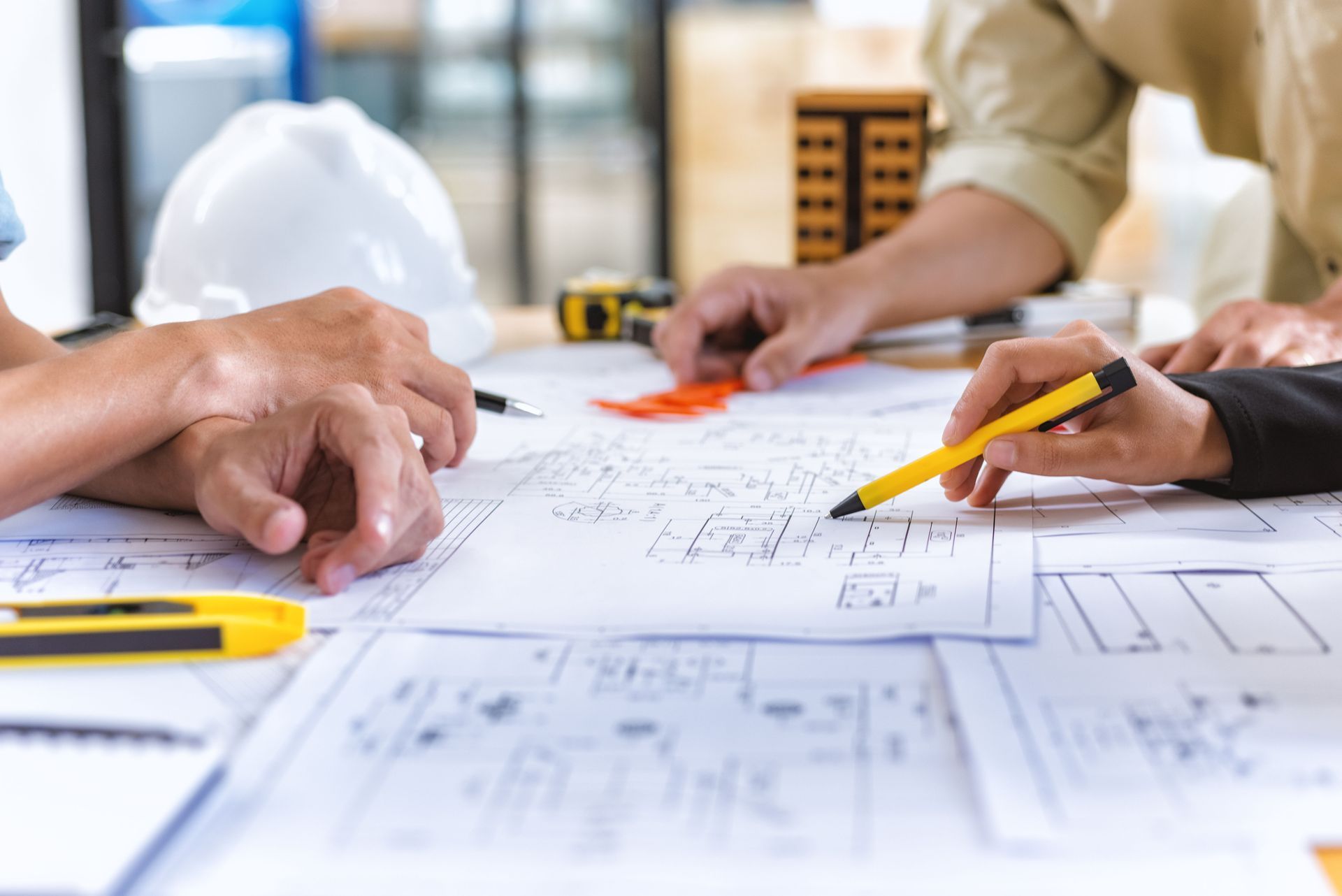
Technical precision is paramount in creating the blueprints needed for construction. Architects produce detailed drawings and specifications that instruct builders on how to bring the design to life. These documents include everything from floor plans and elevations to electrical layouts and materials specifications. They serve as an essential communication tool between the client, builder, and construction team. Clarity in these documents minimizes errors, misunderstandings, and costly changes during construction.
2.4 Adapting Designs Based on Project Feedback
Design is a fluid process, and architects must be ready to adapt their work based on feedback from clients and other team members. This iterative approach ensures the project remains aligned with evolving client desires and technical requirements. Feedback is incorporated to enhance function, aesthetic value, or cost-efficiency, as necessary. By being flexible and responsive, architects maintain the project’s momentum and alignment with the initial vision. This adaptability is key to achieving a customized home experience that meets all parties' expectations.
2.5 Coordinating with Engineers and Builders
Collaboration with engineers and builders is essential to the successful realization of an architect’s design. Architects coordinate closely to ensure structural plans are feasible and within budgetary constraints. They also work hand-in-hand with builders to ensure the plans are accurately executed. This teamwork facilitates smooth transitions from design to construction, ensuring that every element is seamlessly integrated. Such coordination is crucial for the precise and coherent delivery of a custom home.
3. Structural Engineers: Ensuring Stability and Safety
3.1 Assessing the Geotechnical Site Limitations
Structural engineers play a vital role in evaluating the physical conditions of a construction site. They assess geotechnical limitations, such as soil stability, water table levels, and topography, which impact the building's foundation. This analysis is critical in preventing future structural issues that could arise from the site's natural conditions. Engineers provide recommendations for foundation types and building orientation based on their findings. Their expertise ensures that the building can withstand environmental stresses, offering safety and durability over time.
3.2 Designing Structural Components
Structural engineers design components that form the framework of the building, ensuring it remains stable and safe. They calculate load paths, stress points, and reinforcement needs to keep the building robust. By working closely with architects, engineers ensure that the structural elements integrate seamlessly with the design. This collaboration prevents any conflicts between aesthetics and safety, providing a home that is both beautiful and secure. Their technical expertise is integral to transforming architectural visions into tangible realities.
3.3 Ensuring Compliance with Building Codes
Compliance with building codes is non-negotiable, and structural engineers ensure all project plans align with relevant laws. They work to meet the safety and durability standards required by local, state, and national regulations. This oversight protects the project and the homeowner from potential legal challenges and financial liabilities. By ensuring that all aspects of the structure conform to these standards, engineers provide peace of mind to both builders and clients. The stringent adherence to building codes underscores their role in safeguarding the building’s longevity and usability.
Understanding the roles of each key player in custom home construction is crucial for a successful project outcome. By recognizing their contributions, homeowners can better collaborate with their builder and team to ensure their dream home is built to perfection. This knowledge empowers clients to engage effectively throughout the construction journey, aligning outcomes with their vision and expectations. By fostering effective communication and cooperation among all parties, homeowners pave the way for a seamless building process. Ultimately, this harmonious collaboration culminates in a custom home that perfectly reflects the client’s aspirations and lifestyle. Be sure to reach out to Disney Construction Company Inc today for more information on our professional home builders!




Share On: